
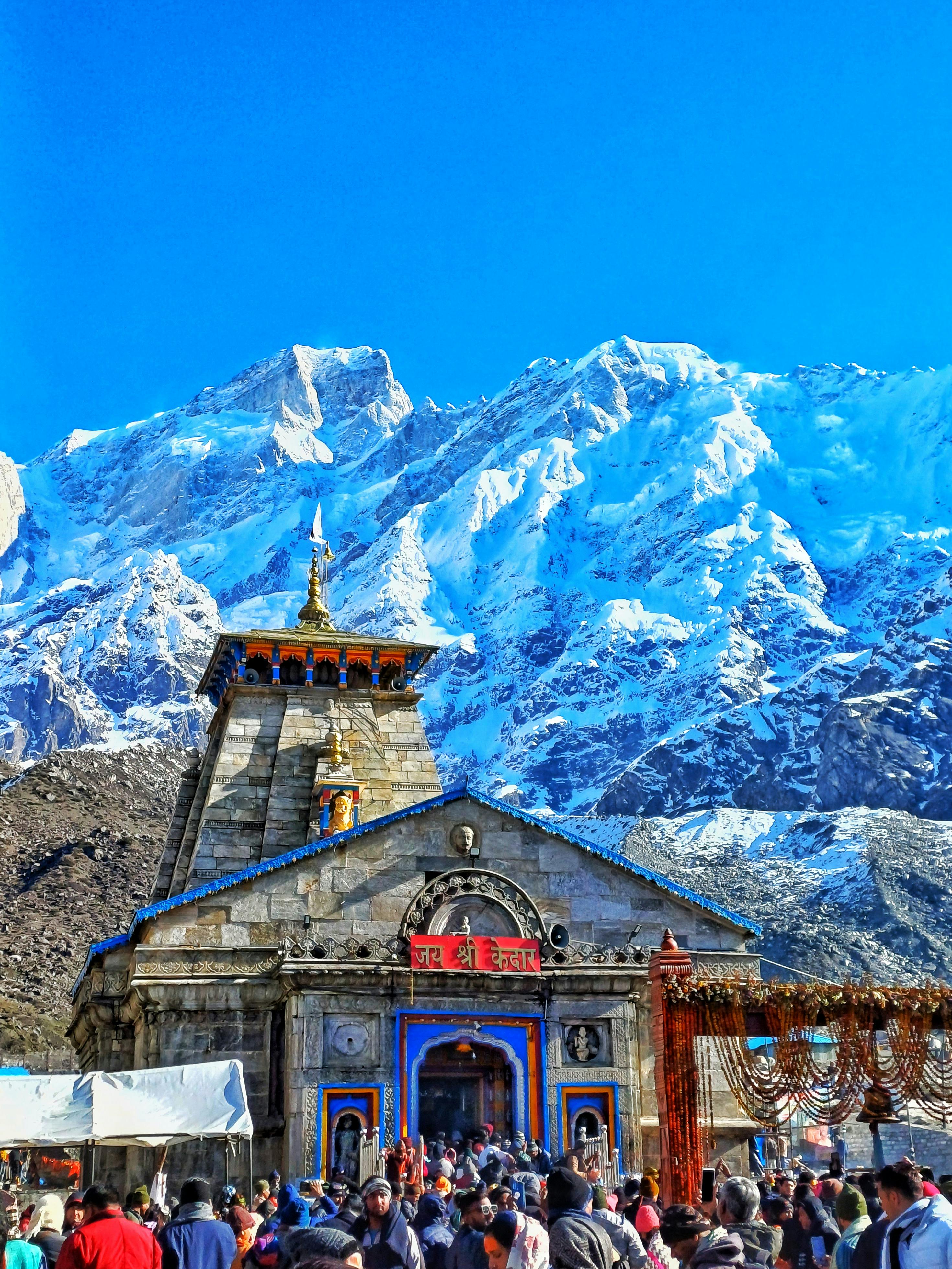
Kedarnath is not a casual destination. It is one of the most sacred shrines in Hinduism and also one of the most physically demanding pilgrimages in India. Every year, thousands of people underestimate this journey — and pay for it with exhaustion, delays, or medical issues.
If you’re planning Kedarnath, or selling Kedarnath travel packages, you need clarity, not hype. This blog gives you exactly that.
Why Kedarnath Is Different from Other Pilgrimages
The Kedarnath Temple, dedicated to Lord Shiva, is located at an altitude of around 3,583 meters (11,755 ft) in the Garhwal Himalayas. Unlike many temples that are accessible by road, Kedarnath requires a 16–18 km trek from Gaurikund, unless you use helicopter services.
This single factor changes everything:
- Physical fitness matters
- Weather matters
- Planning matters
Anyone treating Kedarnath like a normal sightseeing trip is making a mistake.
Kedarnath Travel Packages: What They Usually Include
A standard Kedarnath travel package is usually a 2 to 4 day itinerary, depending on your starting point and travel style.
Most packages include:
- Pickup and drop from Haridwar, Rishikesh, or Dehradun
- Road travel to Guptkashi / Phata / Sonprayag
- Accommodation in hotels or guesthouses
- Transfers up to Gaurikund
- Assistance with registrations and logistics
What most packages do not include:
- VIP darshan guarantees
- Guaranteed helicopter flights
- Luxury accommodation near the temple
If an agent promises these without conditions, be skeptical.
Trekking to Kedarnath: The Reality
The trek from Gaurikund to Kedarnath is long, steep, and at high altitude.
Options available:
- Walking (most demanding, most rewarding)
- Pony or mule
- Palki (for elderly pilgrims)
- Helicopter (weather dependent)
The trek is not technically difficult, but altitude and weather make it challenging. Breathing issues, fatigue, and dehydration are common among unprepared travelers.
If you’re not physically ready, Kedarnath will expose it brutally.